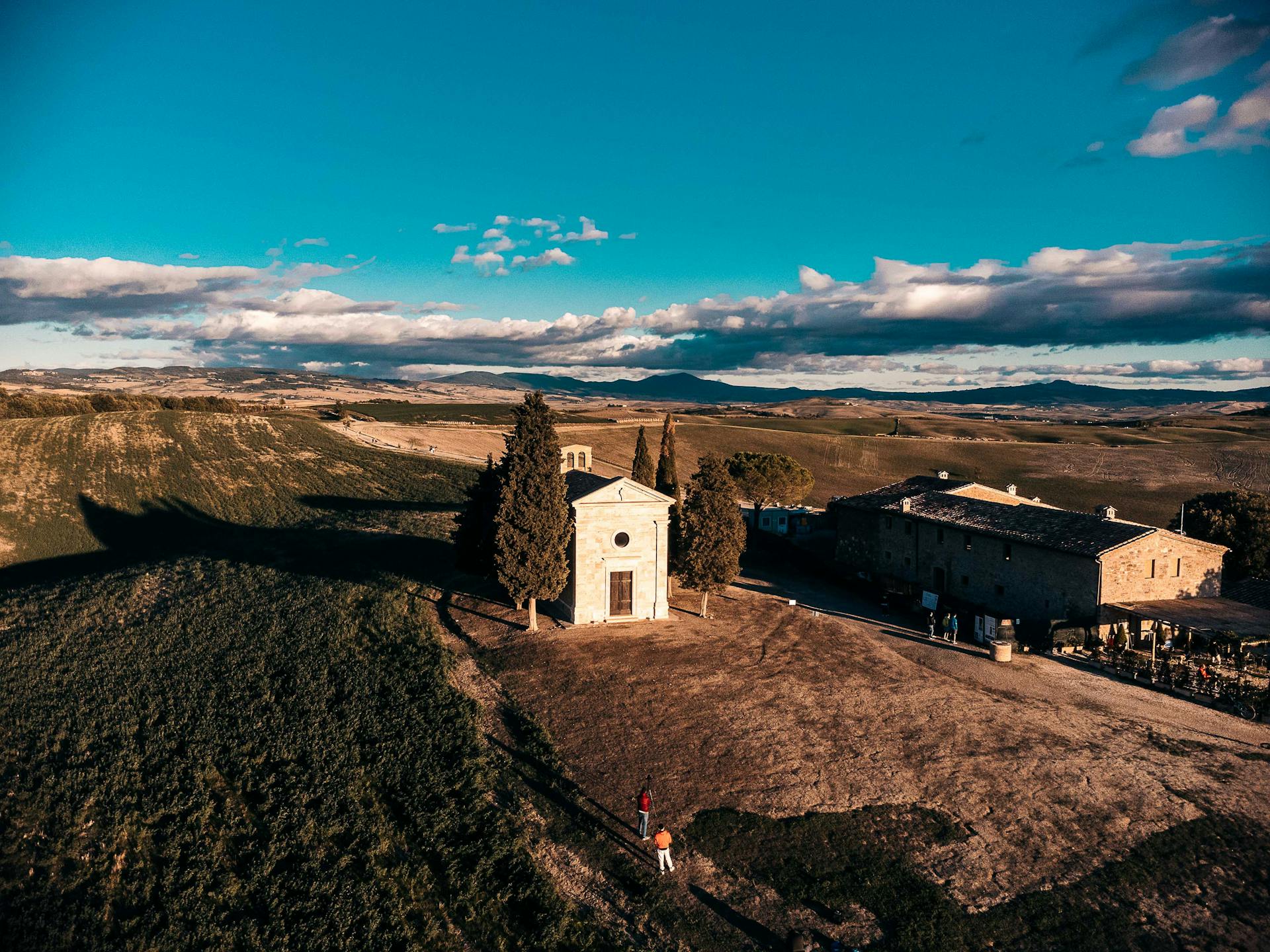
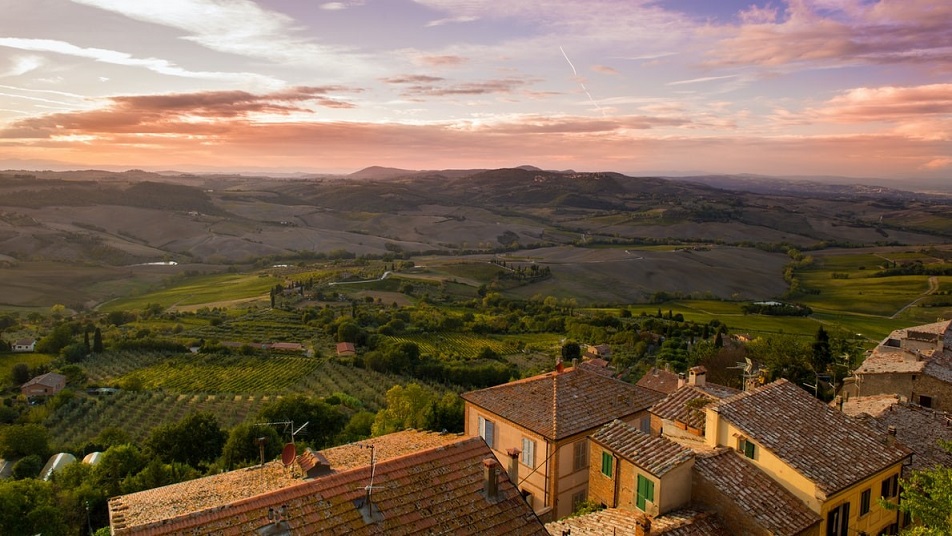
La Toscana comprende un bellissimo e variegato paesaggio naturale con numerosi siti Patrimonio dell’Umanità dell’UNESCO. Molti viaggiatori conoscono solo le città rinascimentali di Siena e Firenze, ma ci sono paesi più piccoli dove il tempo sembra intrappolato in un’epoca passata. Immagina minuscole strade acciottolate dove un’auto a tre ruote può a malapena passare e donne anziane curiose spettegolano sulle panchine di pietra mentre il più piccolo aroma di carne arrosto si diffonde attraverso gli ingressi di piccole porte. La semplicità di questi borghi sono il motivo per cui tanti di noi desiderano visitare e fare di questa zona la nostra casa, anche se per poco tempo.
1.Montebenichi
Una piccola città castello nella regione della Valdambra, a soli 20 minuti a nord-est di Siena e un’ora a sud di Firenze, Montebenichi è un luogo dove ci si può veramente rilassare in questo gioiello nascosto di un villaggio grazie alla sua vicinanza a tre favolose. I due paesi più vicini sono Ambra e Bucine (che ha una stazione ferroviaria). È anche possibile soggiornare nello splendido e antico ‘Castelletto di Montebenichi’ del XII secolo dove i proprietari hanno una collezione d’arte personale, che merita una visita. Per gli stuzzichini, suggeriamo Osteria l’Orciaia per deliziosi piatti toscani come ribollita e pici spessi. Facili gite di un giorno includono Montalcino, Urbino, Greve, Gaiole o visitare una delle tante cantine e vigneti premium nelle vicinanze.
2. Barga (Garfagnana)
Potresti aver sentito parlare di Lucca, ma non perderti questa cittadina medievale in cima alla collina nella zona della Garfagnana con il suo labirinto di strade acciottolate, graziose case e un castello del XII secolo ( Duomo di San Cristoforo) che offre una vista panoramica. È molto meno turistico di altri posti in Toscana e l’atmosfera è deliziosamente sonnolenta e rilassata. La vista qui offre una finestra verde sulla valle del Serchio e sulle Alpi Apuane.
La stessa area della Garfagnana è nota per i suoi terreni montuosi e aspri e per il cibo fantastico. Le attività qui sono per il tipo sportivo, escursionismo, ciclismo, rafting per citarne alcuni. Durante i mesi estivi, il villaggio ospita un superbo festival jazz.
3. Trequanda
Trequanda è un altro incantevole paese di cui probabilmente non hai sentito parlare, in provincia di Siena vicino ad Asciano, Pienza, Rapolano Terme, San Giovanni d’Asso, Sinalunga e Torrita di Siena. Il paese ha diversi punti panoramici dai quali si può godere di una vista mozzafiato sulla campagna circostante. I monumenti di Trequanda da non perdere sono il Castello Cacciaconti e la principale Piazza Cacciaconti. Merita una visita anche la chiesa dei Santi Pietro e Andrea, una bellezza gotico-romanica costruita nel XIII secolo con l’interessante architettura del palazzo comunale. Anche il treno della natura passa da qui ogni domenica da maggio a ottobre. I ristoranti locali includono La Romota, Ristorante Conte Matto entrambi i punti sono ideali per piatti tradizionali toscani semplicemente. Ci sono alcuni ottimi alloggi nelle vicinanze tra cui la favolosa Villa Boscarello del XVII secolo. È perfetto per vacanze in famiglia o eleganti feste di matrimonio toscane.
4. Montefioralle
Chi l’avrebbe mai detto che un gioiello del genere potesse trovarsi a solo un miglio a ovest dalla famosa Greve In Chianti. Questo borgo medievale ben conservato che un tempo era la roccaforte della valle della Greve si trova nel cuore della regione vinicola del Chianti toscano ed è il luogo di nascita di Amerigo Vespucci. Si chiamava “Monteficalle”per i fichi che un tempo crescevano abbondantemente intorno al castello e citati in una poesia del celebre Bocaccio. Questa è la città ideale per esplorare le cantine e la ricca cucina locale. Consigliamo di venire per la festa di San Giuseppe a metà marzo, quando la gente del paese riempie le strade per le “fritelle” (frittelle di riso dolci) appena fatte. Prima di dirigersi verso Greve, fermati presso l’ottima osteria ( Taverna del Guerrino ) all’interno delle mura del paese.
5. Cetona
Da non confondere con Cortona del film ‘Under the Tuscan Sun’s’, Cetona trasuda fascino al confine tra Umbria e Toscana in una posizione molto strategica. Seduto grazioso, arroccato su una collina che domina la valle di cipressi e pini. Dopo essere passato per mano di molte potenti fazioni vicine, nel 1556, Cosimo I de ‘Medici, granduca di Toscana, concesse Cetona e il titolo di marchese a Chiappino Vitelli, che fece della fortezza medievale, la Rocca, sua residenza.
Inizia da Piazza Garibaldi e fermati alla Chiesa di Sant’Angelo dove puoi avvistare una speciale statua lignea della Madonna con Bambino prima di dirigerti al Museo Civico per la Preistoria del Monte Cetona.
Nelle vicinanze di Cetona si trovano le grotte di Belverde nel Parco Naturale e Archeologico del Monte Cetona. Inoltre è una base ideale per visitare le vicine città di Pienza, Montepulciano, Chiusi (con il suo grande mercato del martedì), Arezzo e Orvieto. Perfetto anche per gli sport acquatici presso il vicino lago Trasimeno, o per un tuffo nelle sorgenti termali di Bagno Vignoni. È assolutamente impossibile annoiarsi qui!